How to Choose a Carton Sealing Machine?
Choosing a carton sealing machine is not simply a matter of comparing prices, speed, or brand names. The right equipment must match your carton sizes, tape type, production volume, and available floor space. In a busy packing area, a machine may handle 20 cartons per minute, yet struggle with crushed flaps or uneven boxes. Small details matter.
Jorge Izquierdo, Vice President of Market Development at PMMI, offers a practical principle: “The right machine must fit the entire packaging line, not just the carton.” This advice reflects professional packaging experience. A reliable evaluation should consider carton dimensions, sealing consistency, operator safety, maintenance access, and future growth. Ask whether the machine adjusts quickly between carton sizes. Check the tape head, conveyor height, motor protection, and emergency-stop design. Request a live demonstration with your actual cartons.
Real conditions are rarely perfect.
A carton sealing machine that performs well in a showroom may behave differently beside a dusty conveyor or during a twelve-hour shift. Moisture, weak corrugated board, and inconsistent carton loading can reduce sealing quality. It is also easy to overestimate future production and purchase unnecessary automation. I may sound cautious, but that mistake can consume valuable space and budget. A thoughtful choice balances present needs with realistic expansion. This guide will help readers compare machine types, identify essential specifications, estimate operating costs, and avoid common purchasing errors. Reliable results begin with evidence, not attractive claims.
Define Your Carton Sealing Requirements
How to Choose a Carton Sealing Machine?
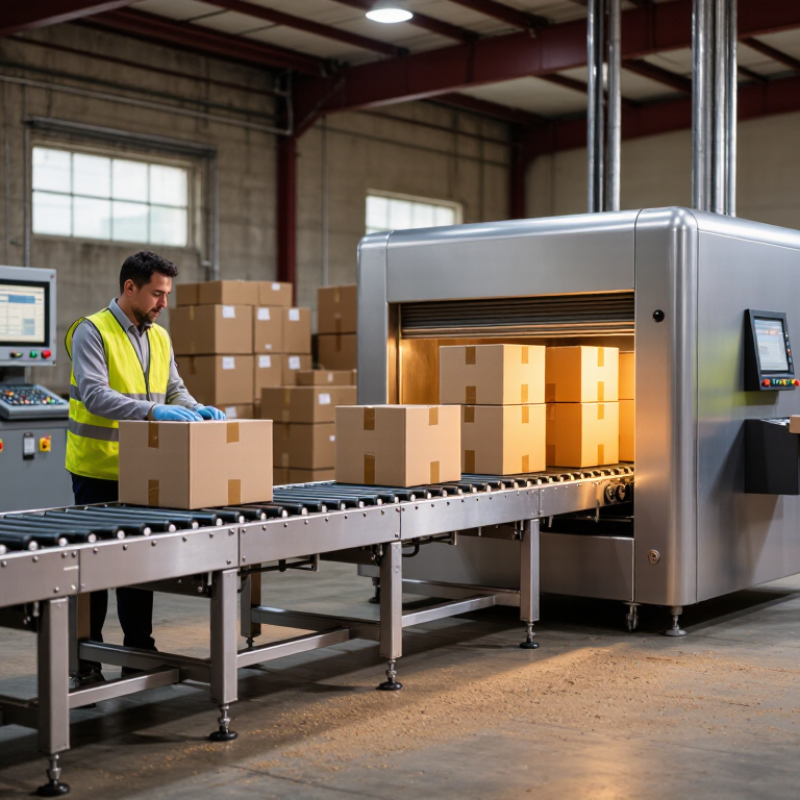
Defining your carton sealing requirements is the practical starting point. Measure the carton length, width, and height across your normal production range. Record the smallest and largest boxes. Include occasional oversized cartons, not only the standard ones. Box material also matters. Corrugated board with uneven flaps may need stronger compression and adjustable guides. Lightweight cartons can collapse under excessive pressure.
Write down your target output in cartons per minute. Then compare it with real shift conditions, including breaks, changeovers, and minor stoppages. A machine rated for 25 cartons per minute may deliver less in daily operation. That difference is easy to overlook. Check the carton weight, closure style, tape width, and available electrical supply. Leave enough room for operators to load, inspect, and safely clear jams. Measure the installation area carefully. A narrow aisle can make maintenance frustrating.
Your sealing standard should be specific. Decide whether you need a centered seal, a tamper-evident closure, or consistent pressure on every carton. Test several filled cartons, not empty samples. Watch for lifted flaps, wrinkled tape, and dust on the adhesive surface. I have seen specifications focus heavily on speed while ignoring carton variation. That approach often creates rework. Consider future packaging changes, but avoid paying for capacity you cannot use. Ask operators to review the design. They notice practical problems early.
Compare Carton Sealing Machine Types
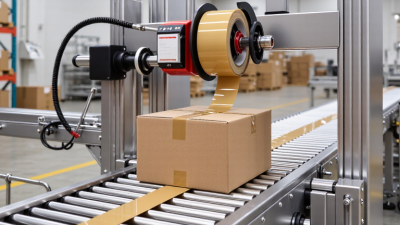
Choosing a carton sealing machine starts with comparing how each type handles your cartons, labor, and production pace. A semi-automatic sealer requires an operator to fold the top flaps and guide the box. It suits small batches, changing carton sizes, and limited floor space. The investment is lower. However, sealing quality depends on operator attention. A hurried hand can leave uneven tape.
Fully automatic sealers fold flaps, center cartons, and apply tape with minimal assistance. They work well on stable production lines with consistent carton dimensions. A random carton sealer accepts mixed box sizes without manual adjustment. This flexibility can reduce interruptions in e-commerce packing areas. Still, random systems usually cost more and need accurate sensors. Test real cartons, not only sample boxes.
Different sealing methods also matter. Side-belt machines grip cartons from both sides and suit standard, lightweight boxes. Top-and-bottom belt machines offer steadier support for taller or heavier cartons. Tape sealing is simple and easy to inspect. Hot-melt sealing can create a firm closure, but it requires careful temperature control and maintenance. In practical line checks, the fastest machine is not always the best choice. Noise, access for cleaning, and spare-part availability deserve equal attention. I once favored speed over adjustment time; that decision caused avoidable stoppages. Check the carton range honestly.
Evaluate Machine Features and Compatibility
How to Choose a Carton Sealing Machine?
A carton sealing machine should match your actual cartons, not an idealized specification sheet. Measure carton length, width, height, board strength, and flap overlap. Small size variations can affect centering and sealing pressure. In plant trials, adjustable side guides and compression belts often matter more than maximum speed. Ask operators to run filled cartons, not empty samples. Filled boxes behave differently.
Evaluate the sealing method carefully. Pressure-sensitive tape suits many clean, regular cartons, while hot-melt systems may handle rougher surfaces. Check whether the machine supports your carton material and closure style. Confirm the tape width, roll diameter, and replacement process. A tool-free changeover can reduce downtime during mixed production. However, convenient adjustment does not guarantee accurate sealing. Watch the first cartons after every format change.
Compatibility also includes utilities and working space. Verify electrical requirements, air pressure, conveyor height, and access for maintenance. Sensors should detect missing cartons or open flaps without creating frequent false stops. Guards and emergency controls need clear access for operators. Record actual throughput during a full shift, including jams and changeovers. A machine rated for high speed may perform poorly with dusty board or uneven cartons. Leave room for improvement; the first test may reveal that your assumptions were wrong.
Select the Best Machine for Your Production Line
How to Choose a Carton Sealing Machine?
Select the best machine by studying your production line, not by choosing the fastest model. Measure hourly carton volume, box dimensions, carton weight, and conveyor height. These details determine the required sealing speed and machine format.
A reliable machine should handle your smallest and largest cartons without constant adjustment. Check its sealing head, belt pressure, sensor response, and tape compatibility. For mixed-size cartons, automatic adjustment can reduce changeover time. For steady carton sizes, a simpler machine may provide easier maintenance and lower operating costs. Keep enough space around the unit for cleaning and repairs.
Test real cartons before purchasing. Run crushed boxes, light packages, and cartons with uneven flaps. Watch for tape wrinkles, loose seals, and stoppages. Small faults matter. I have seen production lines lose time because a machine accepted only perfect cartons. Ask the supplier for maintenance schedules, spare-part availability, training, and performance data from similar applications. A polished demonstration is useful, but it cannot replace a trial on your floor. Also, question your own assumptions. Maximum speed may look impressive, yet stable sealing at a moderate rate can produce better daily output. Consider operator comfort too, because difficult adjustments often create avoidable mistakes.