Why is Machine Vision Inspection Essential for Quality Control?
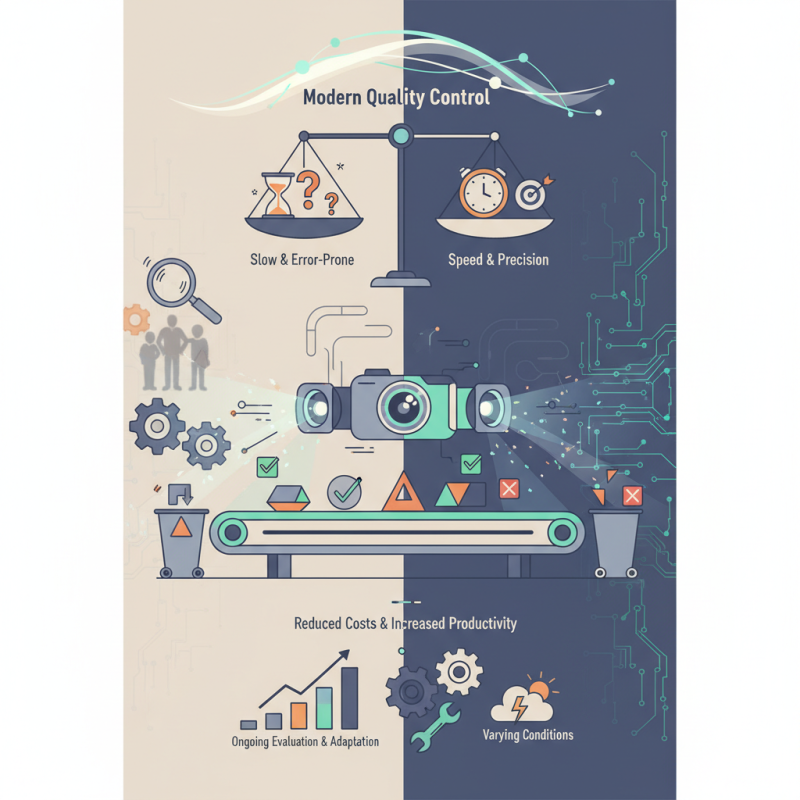
Machine Vision Inspection plays a vital role in modern quality control systems. It uses advanced imaging technology to ensure product excellence. In manufacturing, maintaining high standards is crucial for customer satisfaction.
Traditional methods may be slow and prone to errors. In contrast, Machine Vision Inspection delivers speed and precision. Machines can inspect thousands of items in a fraction of the time. This efficiency helps reduce costs and increase productivity. Yet, reliance on technology raises concerns.
Often, settings can vary, leading to inconsistent results. Lighting conditions or component placement can affect inspection accuracy. Manufacturers must continuously refine their systems. Regular software updates and calibration are essential. Embracing this technology requires ongoing evaluation and adaptation. Despite its advantages, challenges remain that demand attention.
The Role of Machine Vision in Modern Quality Control Processes
Machine vision has transformed quality control in modern manufacturing. It enables precise inspection at high speeds. Cameras capture images of products on production lines. Algorithms analyze these images to detect defects. This process is faster and more accurate than manual inspections.
Yet, not every system is perfect. Sometimes, false positives occur. Items deemed defective may actually be fine. This requires thoughtful calibration and continual refinement. Operators must regularly review the data. They need to understand its limitations. By doing so, they can adjust the technology effectively.
Moreover, the implementation of machine vision can be costly. Some companies may hesitate to invest. They must weigh the benefits against the costs. Quality control should not become an afterthought. It is essential for maintaining customer satisfaction and competitive edge. Balancing technology with human oversight remains crucial.
Key Advantages of Machine Vision Systems in Inspecting Products
Machine vision systems play a vital role in quality control across various industries. According to a report by Markets and Markets, the global machine vision market is expected to reach USD 12.5 billion by 2024, growing at a CAGR of 7.5%. This growth highlights the increasing reliance on automated inspections for ensuring product quality. These systems can identify defects and inaccuracies that human inspectors might miss, leading to fewer defects reaching customers.
One of the key advantages of machine vision systems is their speed. Automated systems can inspect thousands of products in just minutes. They provide consistent results, substantially reducing human error. In a study published by the Association for Advancing Automation, companies that implemented machine vision saw a 25-30% reduction in inspection times. However, these systems can face challenges such as calibration issues or software glitches. These imperfections can lead to false positives or negatives, highlighting the need for regular maintenance and updates.
Additionally, machine vision systems enhance traceability. They document inspection processes, providing valuable data for future quality control measures. A report by the International Journal of Advanced Manufacturing Technology stated that 60% of manufacturers experienced increased process efficiency after integrating vision systems. Nonetheless, the initial investment and ongoing operational costs may pose barriers for some businesses. Balancing these factors is crucial for maximizing the benefits of machine vision inspection.
Industry Statistics Supporting Machine Vision Efficiency in Quality Assurance
In today's competitive landscape, machine vision inspection plays a crucial role in quality control. Industry statistics highlight its efficiency. For instance, studies show that companies using machine vision can achieve a 99% accuracy rate in defect detection. This accuracy leads to significant reductions in waste and rework. A low error rate saves both time and resources.
However, the integration of machine vision is not without challenges. Some systems can misinterpret complex images, leading to false positives or negatives. A recent report indicated that 15% of automated inspections had discrepancies that required human intervention. This friction shows the need for constant adaptation and improvement. Companies must regularly review and refine their algorithms.
Moreover, implementation costs can be high upfront. Many businesses hesitate, fearing an inadequate return on investment. Yet, the long-term benefits often outweigh initial expenses. With ongoing advancements in technology, companies must embrace these tools. Quality assurance will increasingly depend on machine vision systems. It's essential to recognize both the strengths and limitations of this technology.
Technological Innovations Driving Machine Vision's Effectiveness
Machine vision inspection has revolutionized quality control in various industries. Technological innovations play a key role in enhancing its effectiveness. According to a report by MarketsandMarkets, the global machine vision market is projected to reach $18.5 billion by 2026. This growth is largely driven by advances in artificial intelligence and deep learning. These technologies enable systems to learn and adapt, improving accuracy in detecting defects.
High-resolution cameras and advanced imaging techniques have also contributed significantly. They provide clearer images, making it easier to spot imperfections. For instance, a report from Research and Markets states that companies utilizing machine vision saw a 25% decrease in production errors.
However, there are still challenges. Many organizations face implementation barriers, such as the high initial costs and the need for skilled personnel. It’s crucial to address these obstacles for maximizing efficiency in the long run.
Moreover, while machine vision can greatly reduce human error, it is not foolproof. False positives can occur, leading to unnecessary rework. Companies need to balance automation with human oversight. Continuous training and updates of the software systems are essential for maintaining effectiveness. These reflections highlight the ongoing journey toward achieving optimal quality control through machine vision inspection.
Case Studies Demonstrating Successful Machine Vision Implementations
Machine vision inspection systems have transformed quality control across various industries. In a food production facility, one case study highlighted how machine vision detected flawed products on the assembly line. It identified improperly sealed packages and rejected them before they reached customers. This prevented potential safety issues and maintained brand reputation.
In another instance, a pharmaceutical company implemented a machine vision system for tablet inspection. It improved accuracy in identifying color deviations and surface defects. However, initial challenges arose as false rejects occurred. Operators needed training to understand the system's outputs better. This showed that human oversight is still necessary, even with advanced technology.
A textile manufacturer faced similar obstacles. They aimed to monitor fabric quality using machine vision. The system flagged inconsistent patterns but sometimes missed subtle flaws. Regular calibration and ongoing adjustments helped enhance detection rates. These examples reveal that while machine vision is powerful, it requires fine-tuning and human collaboration for optimal results.
Why is Machine Vision Inspection Essential for Quality Control? - Case Studies Demonstrating Successful Machine Vision Implementations
| Industry | Implementation Year | Inspection Type | Accuracy Improvement (%) | Reduction in Defects (%) | Cost Savings (%) |
| Automotive | 2021 | Surface Defect Detection | 95 | 75 | 20 |
| Electronics | 2020 | Component Placement Verification | 98 | 65 | 15 |
| Pharmaceutical | 2019 | Label Inspection | 97 | 80 | 25 |
| Food & Beverage | 2018 | Foreign Object Detection | 92 | 70 | 18 |
| Textiles | 2022 | Fabric Quality Inspection | 94 | 68 | 22 |