How to Use a Shrink Tunnel Machine for Packaging Efficiently?
The efficiency of packaging processes is critical in today’s fast-paced production environments. A shrink tunnel machine has become a vital tool for many manufacturers aiming to enhance their packaging speed. According to a recent industry report, 75% of companies utilizing shrink technology have experienced improved operational efficiency. However, maximizing this efficiency requires an understanding of the machine's functions.
A shrink tunnel machine uses heat to shrink plastic film tightly around products. This method not only secures items but also enhances their presentation. For instance, items wrapped in shrink film are less likely to be damaged during transport. Still, improper use can lead to wasted materials and increased costs. Industry experts warn that nearly 30% of packaging errors stem from inadequate machine settings.
In an era where consumer expectations are high, adopting best practices is essential. Companies should regularly assess their shrink tunnel machine operations to identify areas for improvement. Comprehensive training for staff can help mitigate common issues. By staying informed about technological advancements, businesses can ensure they remain competitive in the market.

Understanding the Basics of a Shrink Tunnel Machine
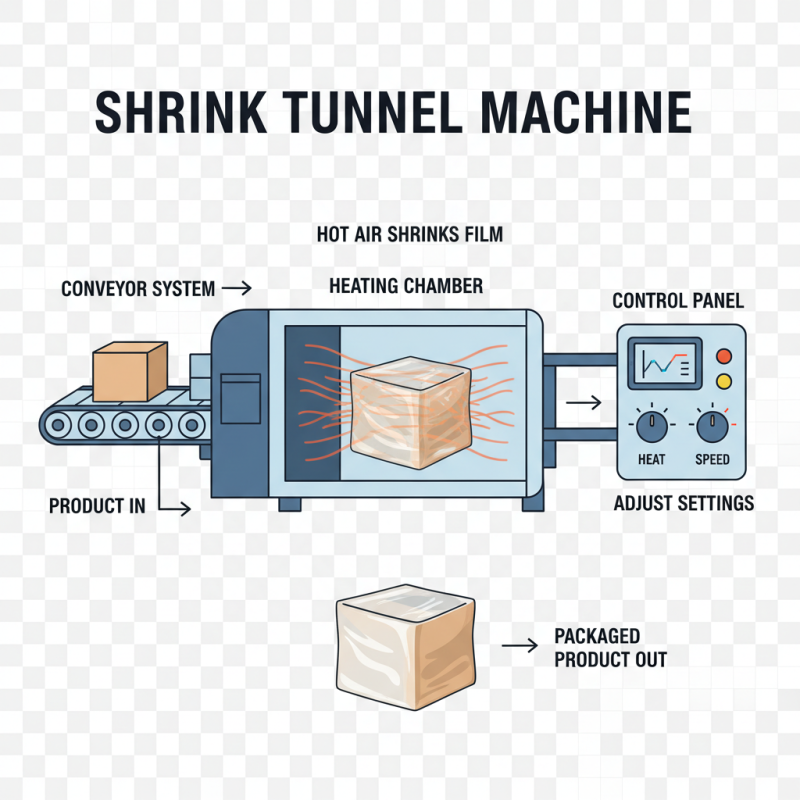
A shrink tunnel machine is essential in modern packaging. It uses heat to wrap products tightly in plastic film. This technology improves product protection and presentation. The machine operates on a basic principle: products pass through a heated tunnel. As they move, heat causes the shrink film to contract. This creates a snug fit around the items.
Understanding the basics can simplify the packaging process. For instance, operators must adjust the temperature based on the film type. Too much heat may damage delicate items. Conversely, insufficient heat results in loose packaging. It is vital to test settings for optimal results. Some users overlook the shrink time, leading to inconsistencies. Experimentation may be necessary to find the right balance.
Product size and shape also play a role in techniques. Irregularly shaped items may require special handling. Regular training and reviews can help operators improve their skills. This attention to detail leads to better efficiency. Mistakes can happen—such as forgetting to check film quality. Contracting issues can arise, affecting looks and integrity. Continuous learning will enhance packaging strategies.
Step-by-Step Guide to Setting Up the Shrink Tunnel Machine
Using a shrink tunnel machine can drastically enhance your packaging process. Setting up the machine efficiently is crucial for optimal performance. Begin by ensuring you have all necessary tools and materials ready. Clear a workspace that allows ample room for the machine and materials.
Adjust the temperature settings according to the type of film you are using. Most reports suggest that maintaining a temperature between 120°C to 180°C optimizes the shrinking process. This step is vital; if the temperature is too low, the film won’t shrink properly. If it’s too high, you risk damaging your product.
Tip: Always run a test batch before full production. It helps to ensure settings are correct. Small adjustments can save time and materials. Pay close attention to the speed of the conveyor. An ideal speed allows for consistent shrinkage across products.
After your first run, observe the results carefully. Are there inconsistencies in shrinkage? Note any films or products that didn’t perform well. Collecting this data helps refine your process. Even experienced operators sometimes miss these details. Continuous reflection on your setup leads to improvements and efficiency gains.
Best Practices for Efficient Packaging with Shrink Tunnels
Using a shrink tunnel machine can significantly enhance your packaging efficiency. One of the best practices is to ensure proper temperature settings. If the temperature is too high, it may cause the film to tear. Conversely, too low can lead to insufficient shrinkage. Testing on sample products helps to find that sweet spot.
Consistent film feed is another critical factor. Ensure that your products are aligned correctly on the conveyor. Misalignment can cause wrinkles and delays. Occasionally, it’s important to check the conveyor speed as well. If it’s too fast, the packaging might not shrink evenly. Adjusting speed for different products may require trial and error.
Maintenance is often overlooked. Regularly clean the machine to prevent residue buildup. Inspect the sealing bars frequently; they are crucial for a smooth flow. It’s also wise to keep an eye on the film supply. Running out mid-run can throw off your entire process. These details, while small, can lead to larger efficiencies in the long run.
Shrink Tunnel Machine Packaging Efficiency
This chart illustrates the time taken for various steps in the shrink tunnel packaging process. Understanding these times can help optimize and improve overall packaging efficiency.
Troubleshooting Common Issues in Shrink Tunnel Operations
Shrink tunnel machines are vital for efficient packaging. However, issues can arise during operations. Understanding how to troubleshoot these problems can save time and resources.
Common issues include uneven shrinking. This often results from temperature settings being too low. Check the conveyor speed. If it's too fast, products won’t have enough time to shrink properly. Adjust accordingly.
Another frequent problem is jams in the tunnel. This can occur if items are not spaced correctly. Ensure that products are aligned properly on the conveyor. Sometimes, miscalculations in product size can lead to this issue. Review your setup and make adjustments as needed. Regular maintenance is crucial. Neglecting it may lead to equipment failure. Address these challenges promptly to ensure smooth operations.
How to Use a Shrink Tunnel Machine for Packaging Efficiently? - Troubleshooting Common Issues in Shrink Tunnel Operations
| Issue |
Possible Cause |
Solution |
Prevention |
| Incomplete Shrink |
Insufficient heat |
Increase tunnel temperature |
Regularly calibrate heating elements |
| Overheating |
Excessive heat setting |
Reduce temperature |
Monitor temperature settings |
| Wrinkling |
Incorrect film selection |
Use appropriate shrink film |
Test different films |
| Seal Failure |
Dirty sealing area |
Clean sealing area regularly |
Establish cleaning schedule |
| Bubbles |
Moisture in package |
Ensure packages are dry |
Store materials in dry environments |